❄️ Air Conditioner Removal & Disposal Guide
1. Description of the Item
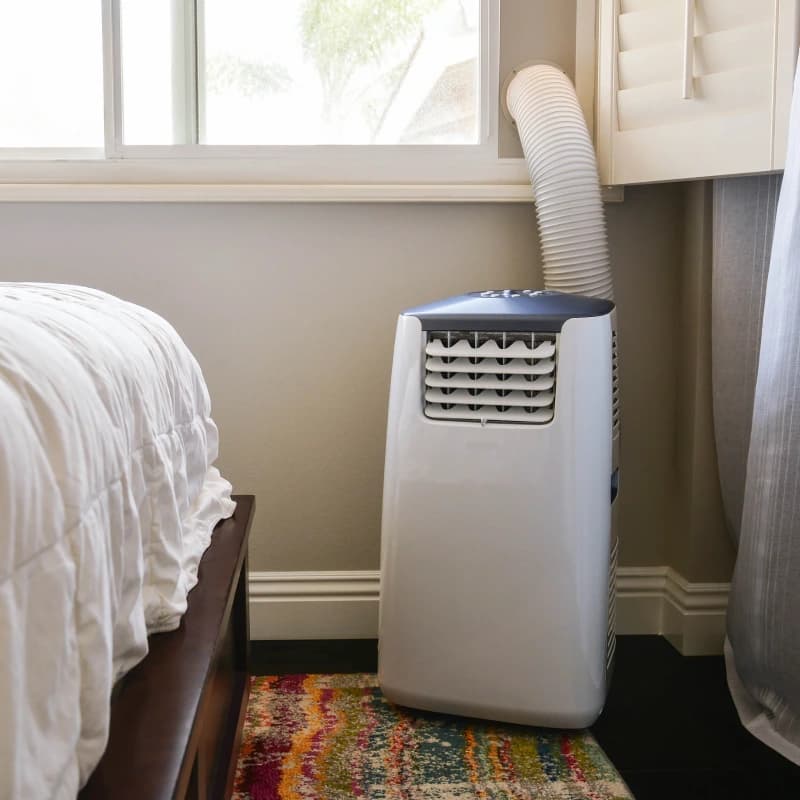
Air conditioners include window units, portable units, wall-mounted systems, and central HVAC components. These appliances contain metal coils, compressors, fans, and refrigerants such as Freon, which are classified as hazardous materials. Because of this, air conditioners must be removed and disposed of through certified recycling channels.
2. Safe Removal Process
- Turn off and unplug the unit before removal.
- Drain condensation from portable AC units.
- Wear gloves—metal fins and edges can be sharp.
- Use two people for heavy window or wall-mounted units.
- Keep the unit upright to prevent refrigerant leaks.
- Wrap and secure the unit for transport.
- Do not attempt to remove refrigerant yourself.
3. Proper Disposal & Recycling
- ♻️ Certified recycling centers for refrigerant recovery.
- 🔧 Utility rebate programs may accept old AC units.
- 🚛 Professional removal for EPA-compliant disposal.
- ⚠️ Illegal dumping can lead to environmental fines.
4. Average Weight by Type
| AC Type | Weight (lbs) | Weight (kg) |
|---|
| Window Unit | 40–120 | 18–54 |
| Portable Unit | 60–100 | 27–45 |
| Split System (Indoor) | 30–50 | 14–23 |
| Outdoor Condenser | 150–250 | 68–113 |
| Central AC Condenser | 200–300 | 91–136 |
5. Typical Dimensions
| AC Type | Inches | Centimeters |
|---|
| Window Unit | 18" x 22" x 15" | 46 x 56 x 38 cm |
| Portable Unit | 17" x 15" x 30" | 43 x 38 x 76 cm |
| Split (Indoor) | 32" x 12" x 10" | 81 x 30 x 25 cm |
| Outdoor Condenser | 35" x 35" x 40" | 89 x 89 x 102 cm |
6. Why Choose Professional Air Conditioner Removal
- Certified refrigerant recovery.
- Safe handling of heavy equipment.
- Environmentally responsible recycling.
- Protection from legal and environmental penalties.
- Quick, hassle-free pickup.