
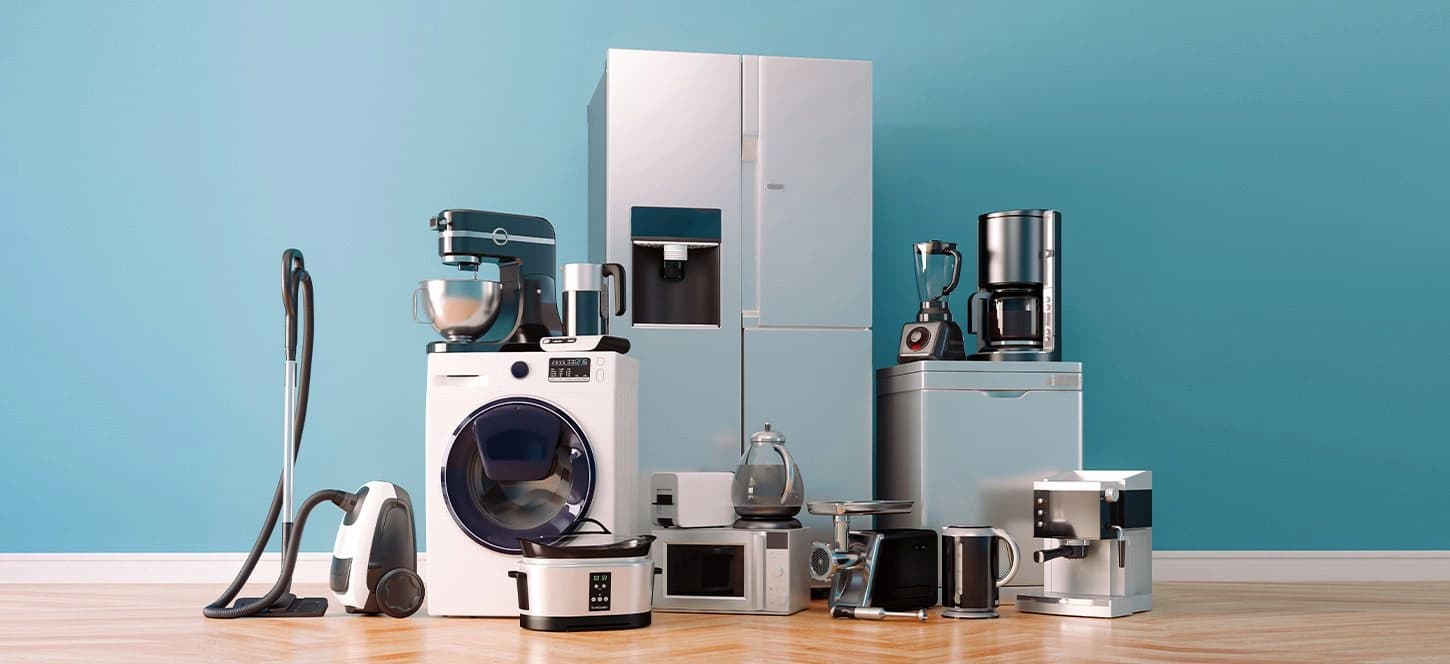
Small Appliance Removal in Seattle, WA
⚙️ Appliance Removal & Disposal Guide
1. Description of the Items
Appliance removal covers a wide range of household and commercial machines such as ovens, dishwashers, microwaves, freezers, water heaters, stoves, and other large electrical or gas-powered units. These appliances are often heavy and may contain metals, wiring, oils, or refrigerants, making proper removal and disposal essential for safety and environmental compliance.
2. Safe Removal Process
- Disconnect the appliance from power, gas, or water lines.
- Drain any remaining liquids (dishwashers, freezers, water heaters).
- Secure doors, cords, and loose components with tape.
- Protect floors using cardboard or moving blankets.
- Use dollies or lifting straps for heavy appliances.
- Always lift with two people for safety.
- Keep appliances upright during transport when required.
3. Proper Disposal & Recycling
- ♻️ Recycling centers recover valuable metals and components.
- 🏬 Retail trade-in or pickup programs may be available.
- 🚛 Professional removal ensures compliant disposal.
- ⚠️ Illegal dumping of appliances can result in fines.
4. Average Weight by Appliance
| Appliance | Weight (lbs) | Weight (kg) |
|---|---|---|
| Microwave | 30–50 | 14–23 |
| Dishwasher | 125–175 | 57–79 |
| Oven / Range | 150–250 | 68–113 |
| Water Heater | 100–150 | 45–68 |
| Chest Freezer | 200–350 | 91–159 |
| AC Unit | 80–120 | 36–54 |
5. Why Choose Professional Appliance Removal
- Safe handling of electrical, gas, and water connections.
- Proper recycling of metals and hazardous components.
- No heavy lifting or special equipment required.
- Fast, reliable pickup from homes or businesses.
- Peace of mind knowing appliances are disposed of legally.